


Quick answer: there is no such thing as "the best camp" in the abstract; there is the one that fits your child's age, language goal and independence. Compare accommodation, lesson hours, supervision, activities, what the price includes and the destination: with these six points, choosing becomes much easier.
At a glance
- Host family: more immersion. Residence: more international atmosphere.
- Ask how many lesson hours are included and who teaches them.
- Supervision: agency group leader, adult ratio and assistance throughout the stay.
- Read the small print: flights, transfers, board and insurance vary a lot.
1. Accommodation: host family or residence
Host family: more immersion in local life and English practice at the dinner table. Residence: more international atmosphere and more independence. Neither option is better by default; it depends on the student.
2. Lesson hours and who teaches them
Check how many hours a week the programme includes and whether the teachers are native speakers qualified to teach English. A good camp balances the classroom with practice outside it.
3. Supervision
Key for parents: ask whether the group travels with an agency group leader, what the adult ratio is and how assistance works throughout the stay.
4. Activities and excursions
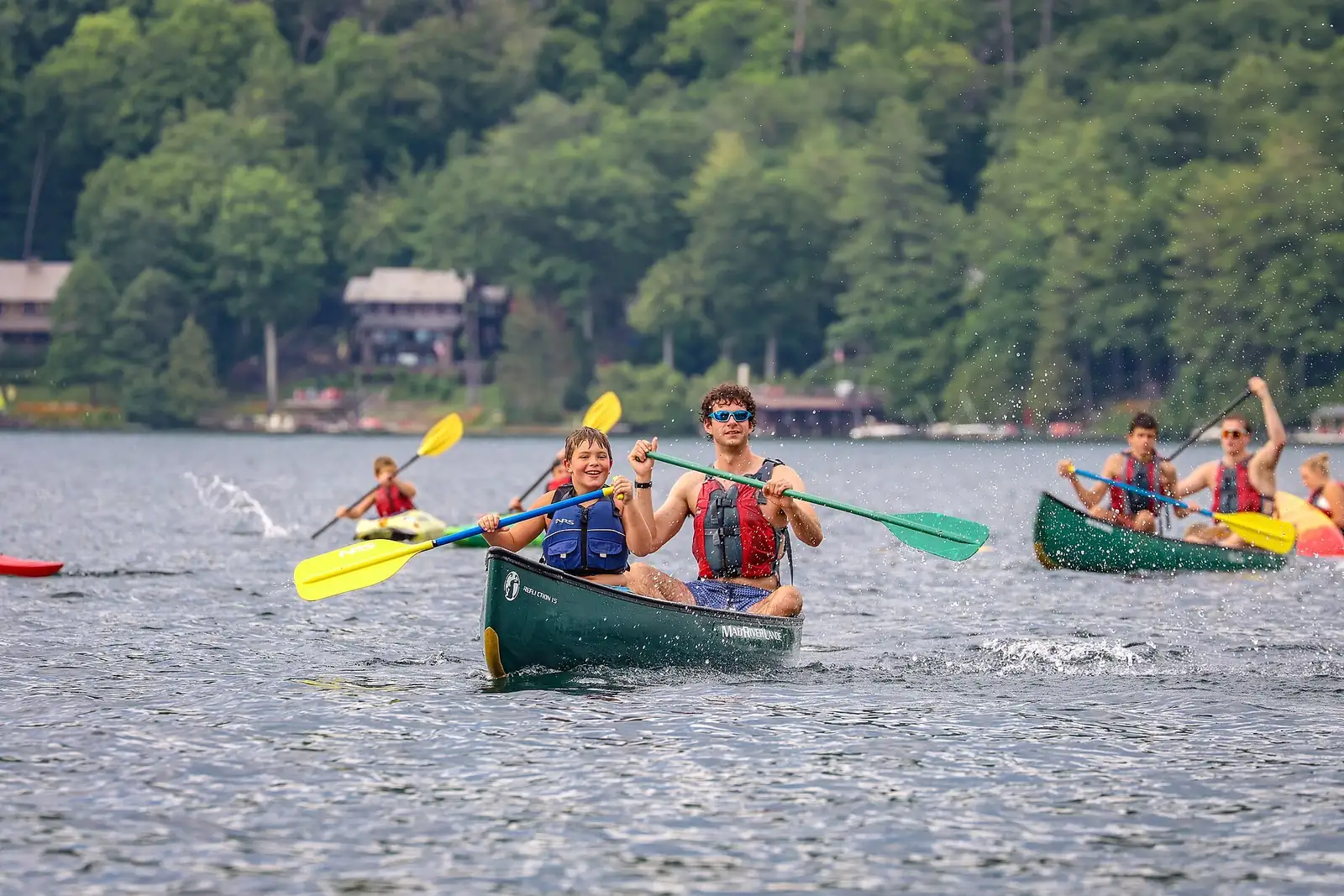
Afternoons and evenings are half the experience: sport, games and visits. Compare specific programmes, not generic promises.

5. What exactly is included
Flights, transfers, public transport, full board, insurance: the small print varies a lot between programmes that look the same.
6. Age and destination
From the age of 11 there are already programmes designed for young people. England, Ireland and Canada are classic destinations, and each has its own accent, its own system and its own charm.

A real example
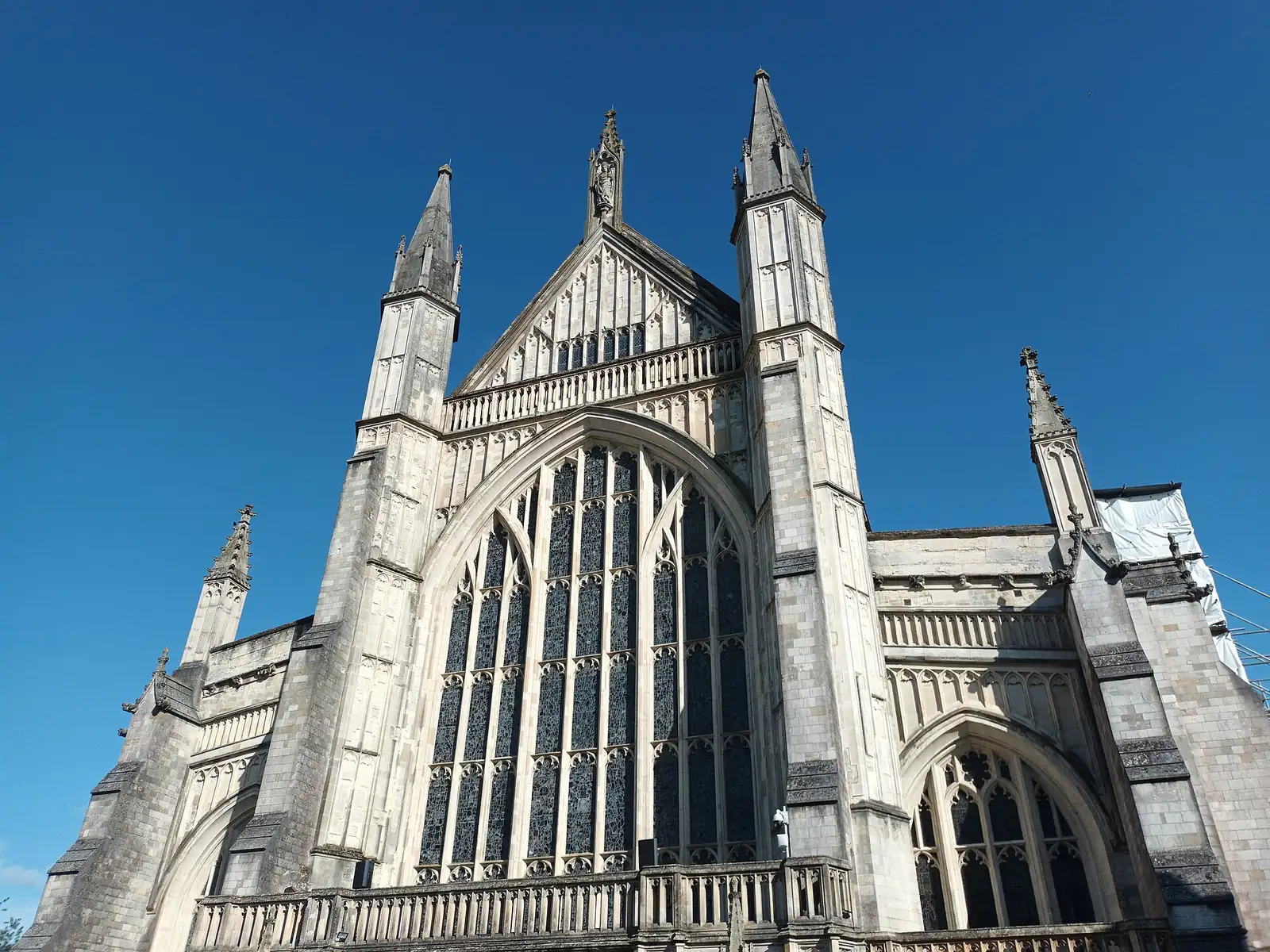
On the Valua Languages website you can see an example of a programme sheet: the Winchester programme, departing from Barcelona, with a two-week stay in a residence and a group accompanied by an agency group leader. Each proposal clearly details what is included so that you can compare; the edition and the specific conditions must be confirmed before booking.

Frequently asked questions
Host family or residence for a summer camp? Neither option is better by default. A host family gives more immersion in local life and English practice at the dinner table; a residence, more international atmosphere and more independence. It depends on the student.
What should I ask about supervision? Whether the group travels with an agency group leader, what the adult ratio is and how assistance works throughout the stay.
From what age are there summer camps abroad? From the age of 11 there are already programmes designed for young people. England, Ireland and Canada are classic destinations.
Would you like help comparing options for next summer?
At Valua Languages we guide you according to age and goal, with no obligation. Take a look at the Summer camps programmes, write to us or email us at hola@valuatravel.com.
Header photo: young people at a summer camp. Photo: Tom Kunz, CC BY 2.0, via Wikimedia Commons (illustrative image).
