

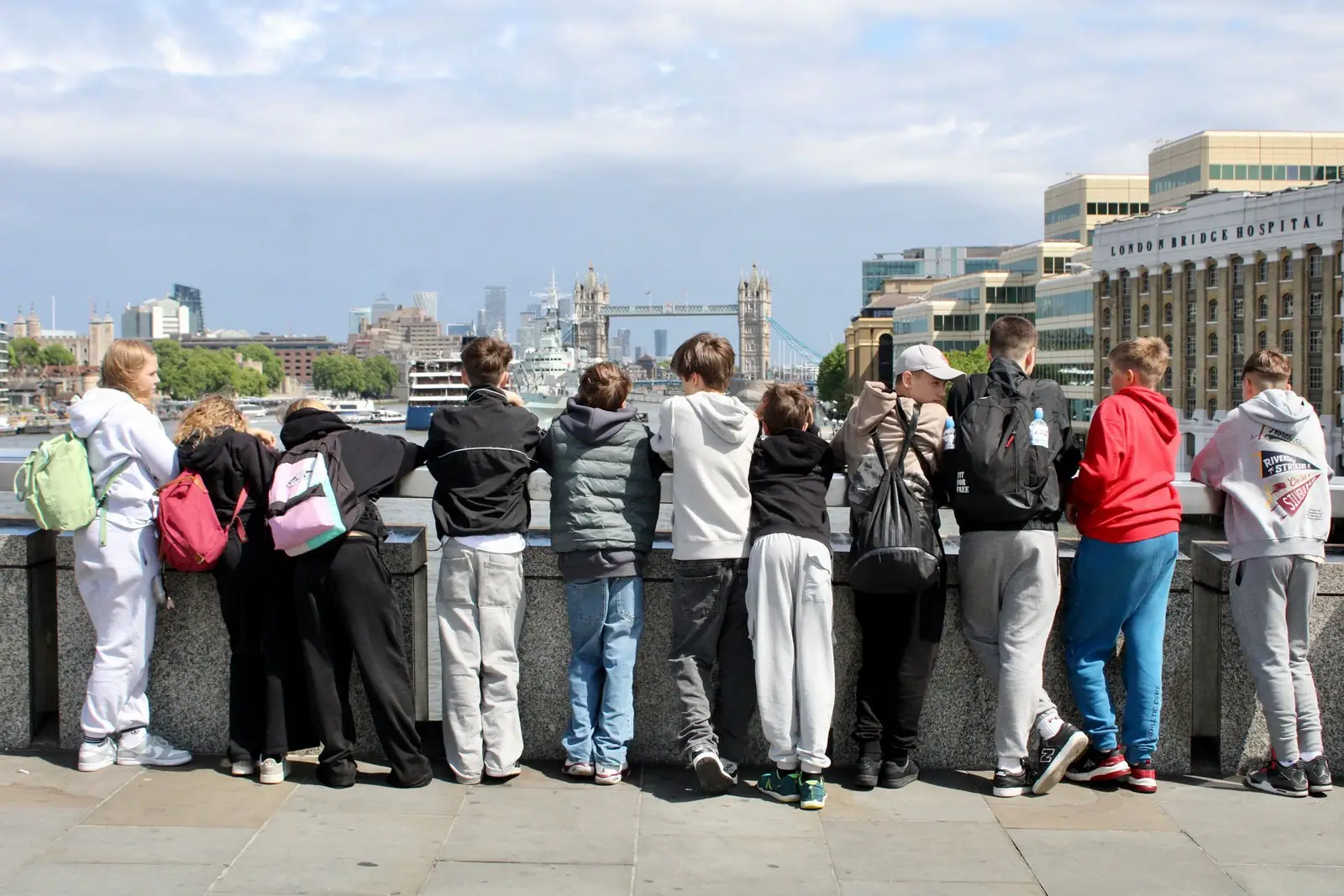
Quick answer: a school trip is a social-skills gym disguised as an excursion. Independence, living together, responsibility, communication and adaptability can be worked on naturally when a group of teenagers leaves its usual surroundings, always accompanied by their teachers. It does not feel like a lesson, and perhaps that is why it works so well.
At a glance
- Independence and responsibility: small decisions with real consequences.
- Living together and teamwork: weeks of shared living condensed into a few days.
- Communication: micro-challenges in another language that are hard to simulate in class.
- Adaptability: unexpected events that teach what no syllabus covers.
Independence and responsibility: what do students learn?
On a school trip, looking after your bag, your money or the time you have to be back at the meeting point are small real responsibilities with real consequences. For many students it is the first time they organise themselves away from home, accompanied by their teachers, and they notice it.
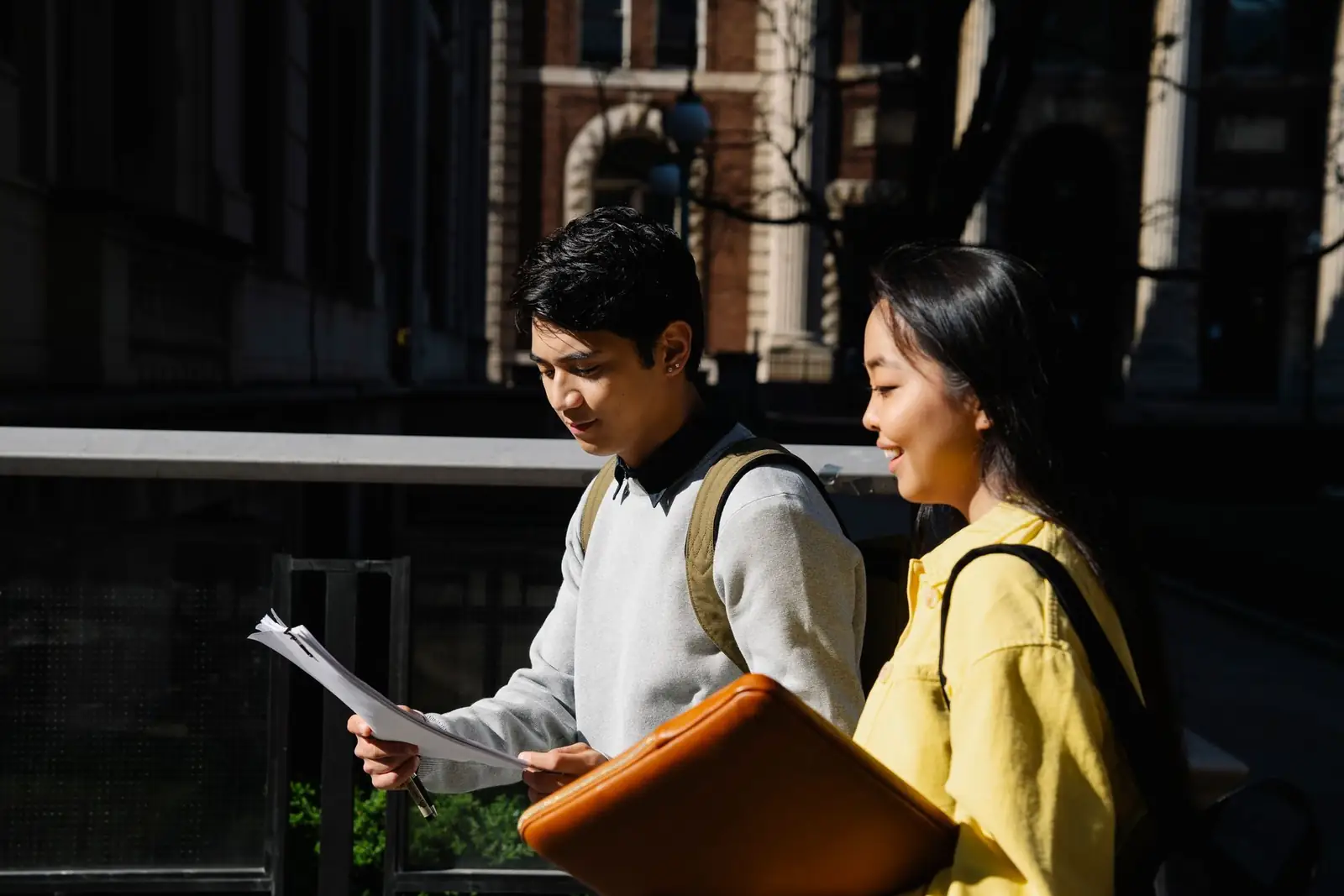
Living together and teamwork: how does the group change?
Sharing a room, negotiating who showers first or agreeing on dinner: the trip condenses weeks of living together into a few days. Leadership shifts and groups come back with a new dynamic, often a better one.
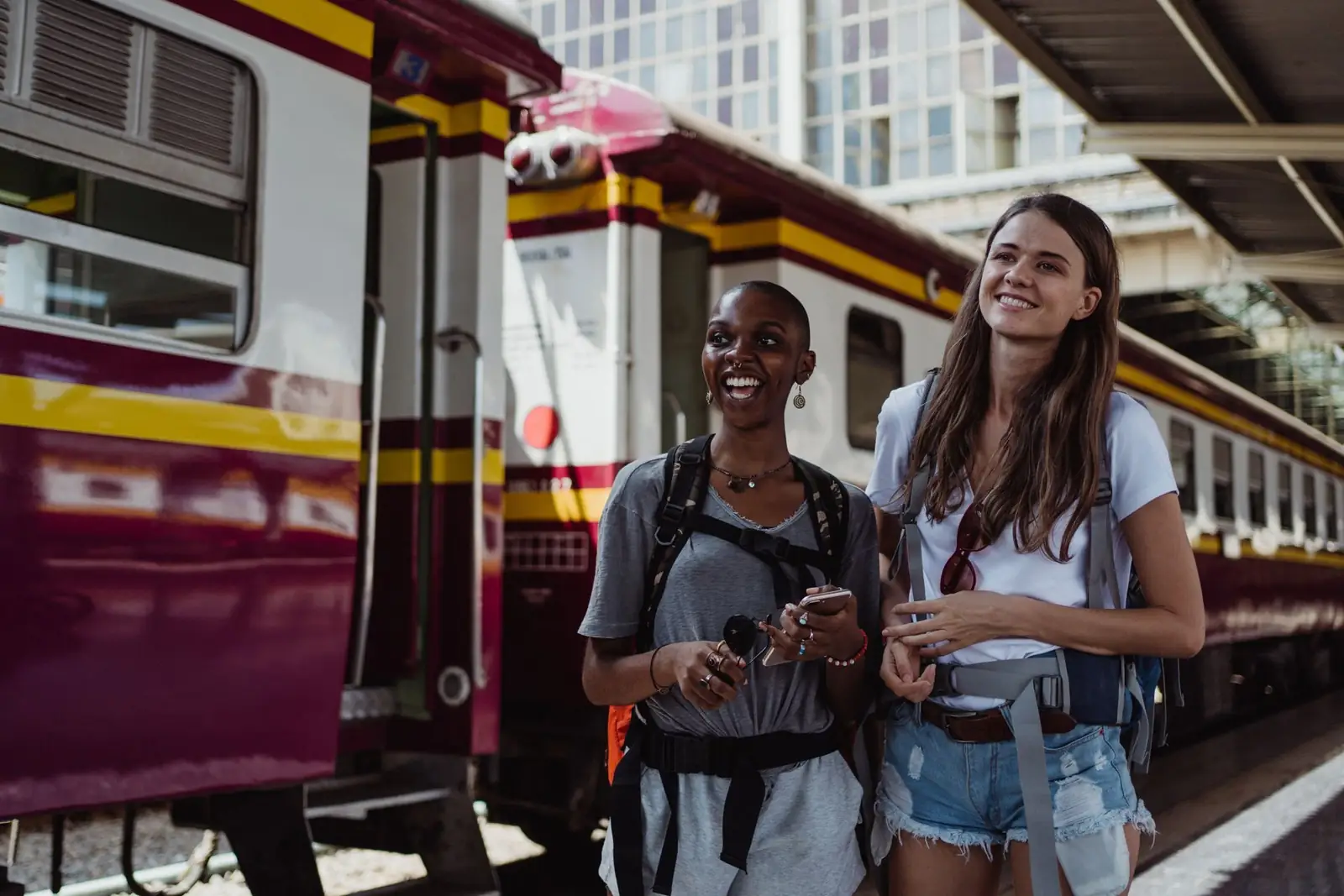
Communication: what is practised outside the classroom?
Asking for directions in another language, ordering in a restaurant or reading a metro sign are constant communicative micro-challenges that are very hard to simulate in class. Health and safety matters, such as allergies, are always coordinated by the responsible adults.
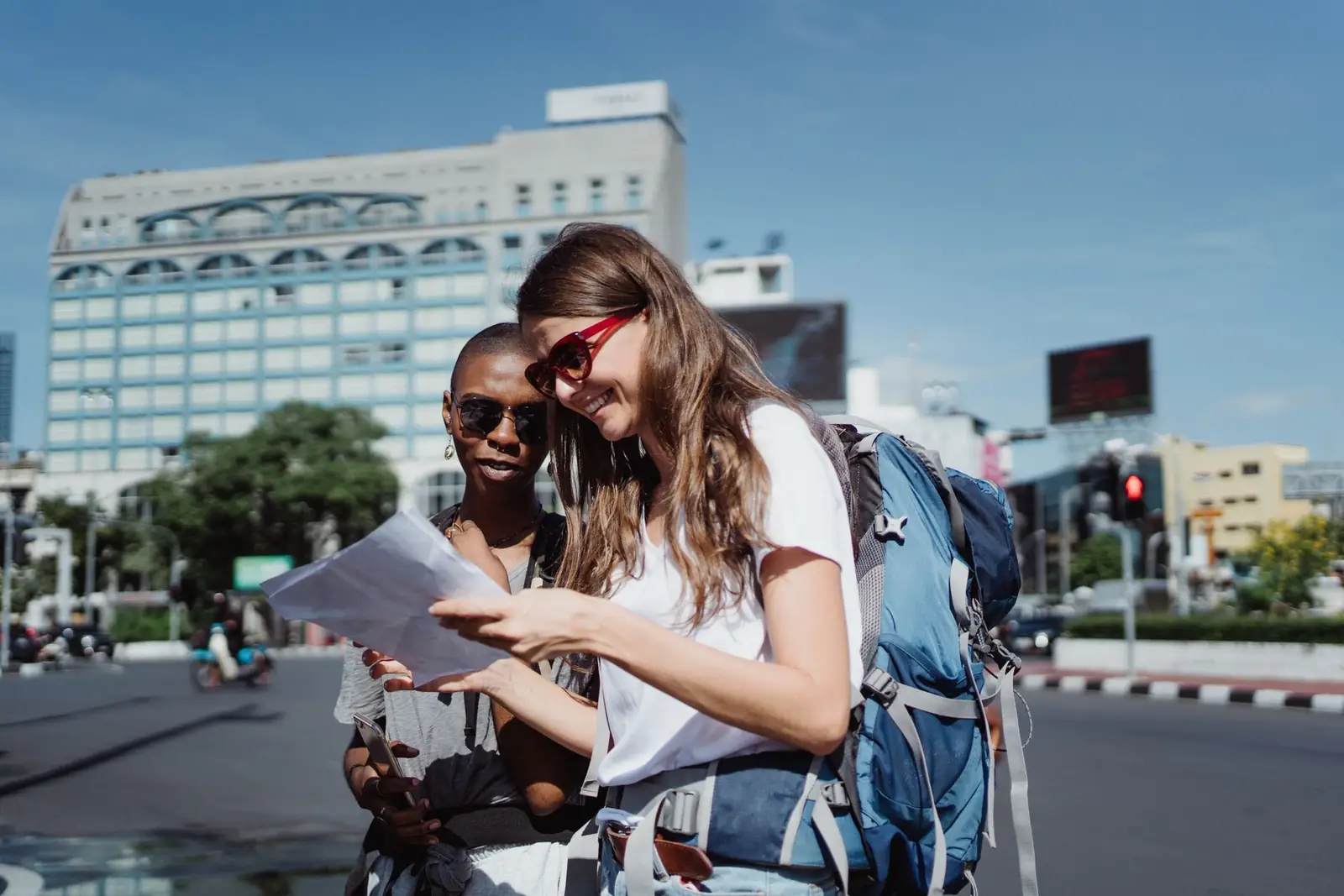
Adaptability: what happens when something turns out differently?
It rains on the day of the outdoor visit, a museum changes its opening hours, the metro is packed. Learning that things can turn out differently and that the world does not stop is a lesson that fits in no syllabus.

An important nuance: it is not automatic
A trip scripted down to the last minute, where the teachers decide everything, trains less. The skills appear when students have room to decide, to get it slightly wrong and to sort it out. The teacher's role is to design the framework and leave some air. No trip guarantees these results: they depend on the group and on how it is accompanied.
A tip for teachers: the daily review
Close each day with five minutes of group review: what went well, what was hard, what you would do differently tomorrow. It turns the experience into conscious learning.
Frequently asked questions
Which skills does an end-of-year school trip train? Independence and responsibility, living together and teamwork, communication and adaptability, always accompanied by the teachers.
Is this learning automatic? No. A trip scripted down to the last minute trains less: the skills appear when students have room to decide, to get it slightly wrong and to sort it out. No trip guarantees these results; they depend on the group and on how it is accompanied.
What can teachers do to make the most of it? Design the framework and leave some air, and close each day with five minutes of group review: what went well, what was hard and what you would do differently tomorrow.
Would you like an end-of-year trip designed for the group's growth too?
At Valua Travel we design tailor-made school trips. Tell us about your class and we will send you a proposal, or write to us at hola@valuatravel.com.
Header photo: a group of teenagers with backpacks leaning over the bank of the Thames with Tower Bridge in the background. Photo: Gawon Lee · Pexels (illustrative stock image).