

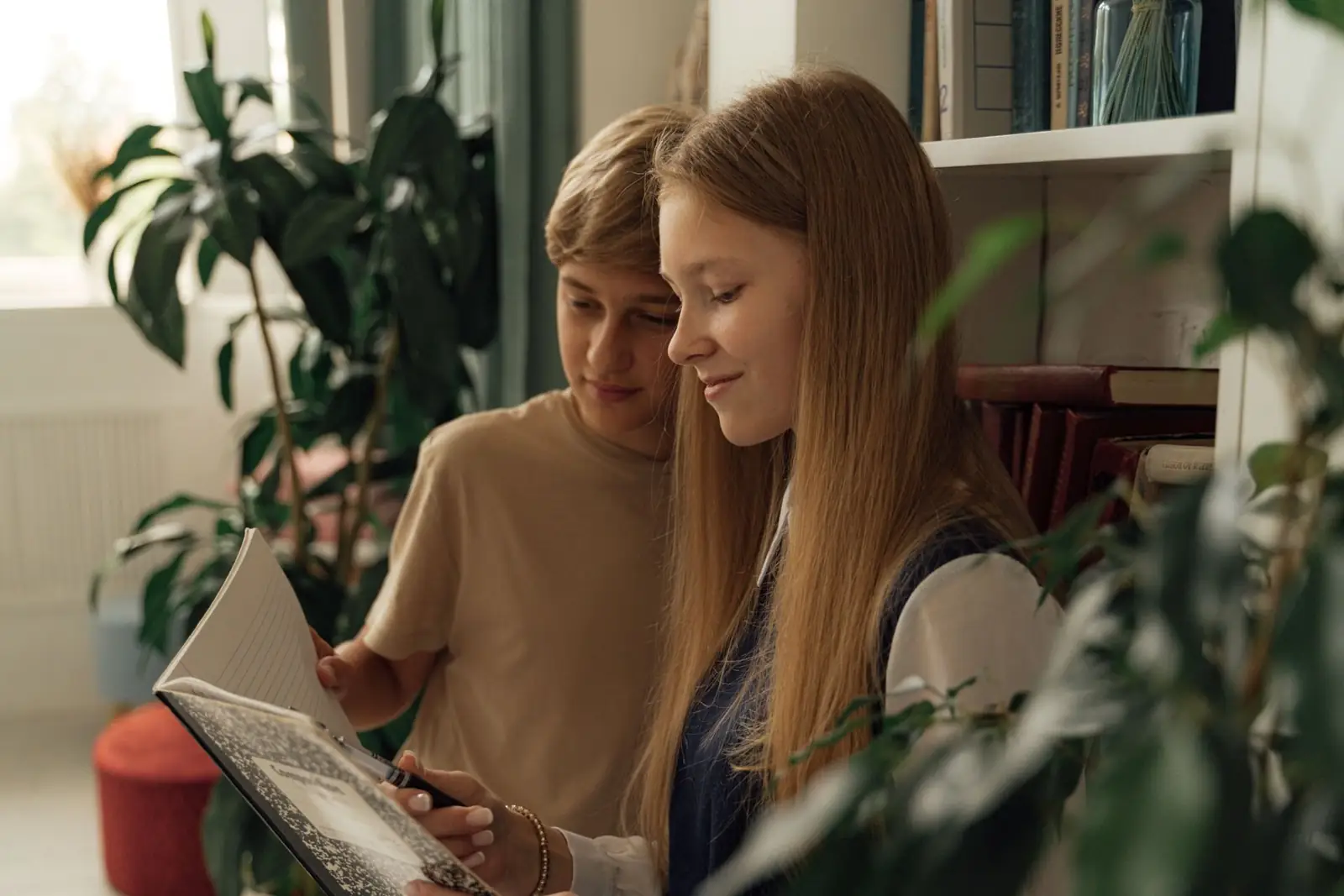
Quick answer: the language is only the visible part. A long stay away from home can help develop more independence, more perspective and more capacity to cope with discomfort. It is not a magical transformation and it does not happen all at once: it simmers slowly, week by week.
At a glance
- The language goes from school subject to everyday tool.
- More independence from taking charge of daily life.
- More perspective from seeing your own culture from the outside.
- More resilience to discomfort, despite the ups and downs at the start.
How does the relationship with the language change?
The first change is functional: the language stops being a school subject and becomes the tool for ordering dinner, making friends and understanding the jokes on TV. That real need is something no classroom can fully replicate.
What happens with independence?
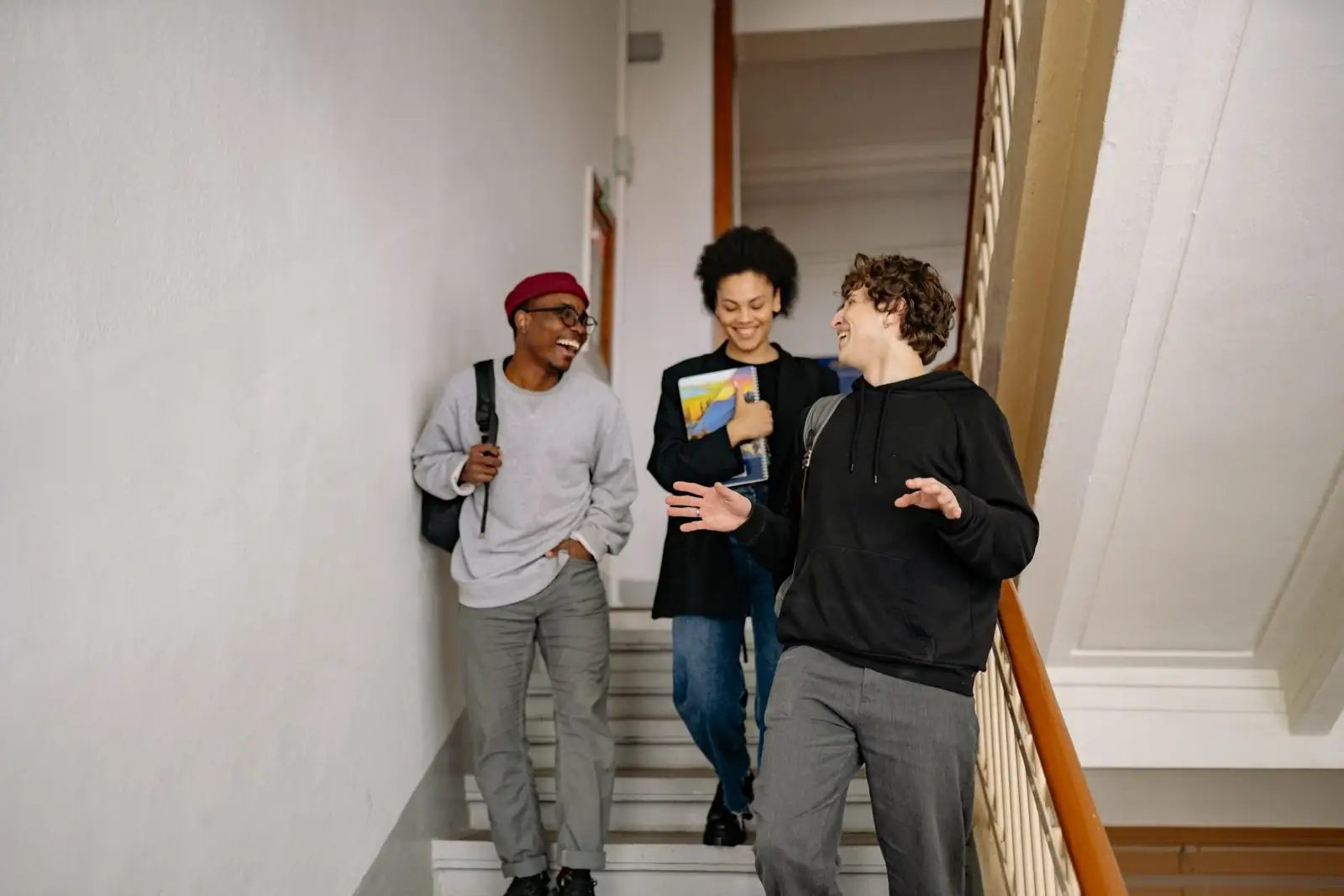
Doing the laundry, working out transport, deciding what to eat: students learn that they are capable of taking charge of their daily lives.

What does perspective bring?
Living inside another culture makes your own look distant: customs that seemed universal turn out to be local. That comparative view is very hard to gain without travelling.

And emotional maturity?
The homesickness of the first weeks, the frustration of not understanding everything, the work of making friends from scratch: getting through it can leave a student more resilient to discomfort, a skill that later applies to many areas of life.
Is it all advantages? The honest nuance
The first weeks can be hard, and not all the changes are visible on return: many settle in months later. No stay guarantees these results, which depend on each student and on how they are accompanied. The family's role is to accompany: regular contact, gradual independence so that the student handles day-to-day life, and support from the adults whenever they need it or feel unwell.
Frequently asked questions
How does the relationship with the language change? It stops being a school subject and becomes the tool for ordering dinner, making friends and understanding the jokes on TV: a real need that no classroom can fully replicate.
Are the first weeks hard? They can be: homesickness, the frustration of not understanding everything and the work of making friends from scratch. Not all the changes are visible on return; many settle in months later.
What is the family's role? To accompany: regular contact, gradual independence so that the student handles day-to-day life, and support from the adults whenever they need it or feel unwell.
Would you like to talk about whether a long stay suits your son or daughter?
At Valua Languages we advise you on terms and school years abroad, with no obligation. If you are weighing up a term or a school year, we explain what each option offers. Write to us or email us at hola@valuatravel.com.
Header photo: two teenagers looking at a book together in a bright room with plants. Photo: Antoni Shkraba · Pexels (illustrative stock image).