

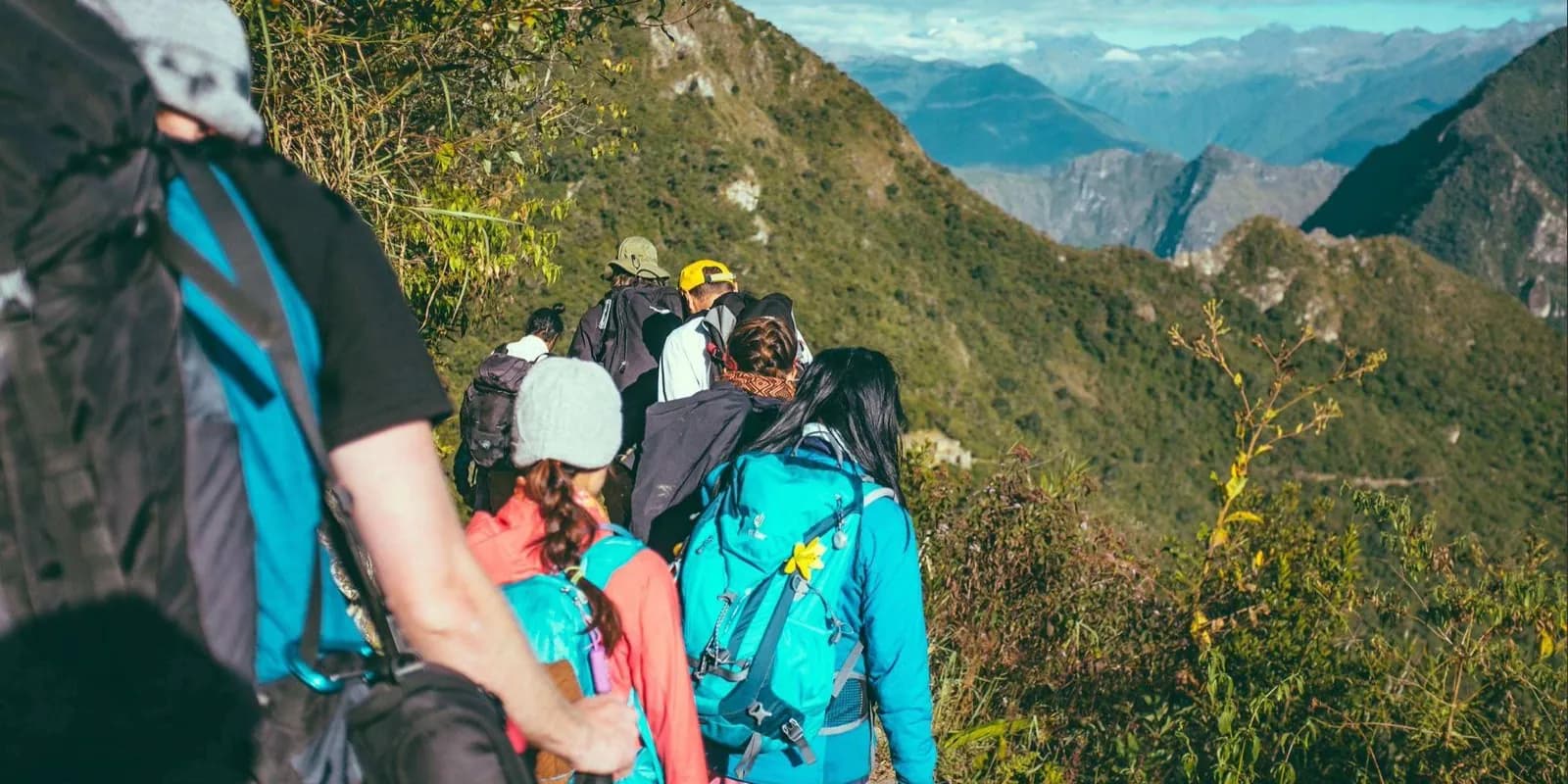
Travelling is one of life's most enriching experiences, but the impact we leave on the places we visit depends directly on our decisions. At Valua Travel, from our base in Catalonia, we design school trips, language immersions and group routes for all of Catalonia, Europe and the world under the premise of responsible tourism.
Being an eco-responsible traveller is a matter of decisions: planning outside peak season, getting around by collective transport, choosing certified accommodation, buying local products and leaving the destination better than you found it. To help you turn every trip into an opportunity to protect the environment, we have gathered 10 key tips based on the recommendations and codes of good practice of official bodies and leading environmental organisations.
🗺️ How do you prepare a sustainable trip before leaving?
1. Plan and avoid peak season. Choosing to travel outside the busiest months or picking less crowded destinations helps reduce pressure on local infrastructure, water and ecosystems. It also spreads tourism income across the whole year, supporting the sustainable local economy. Source: Spain.info / Turespaña.
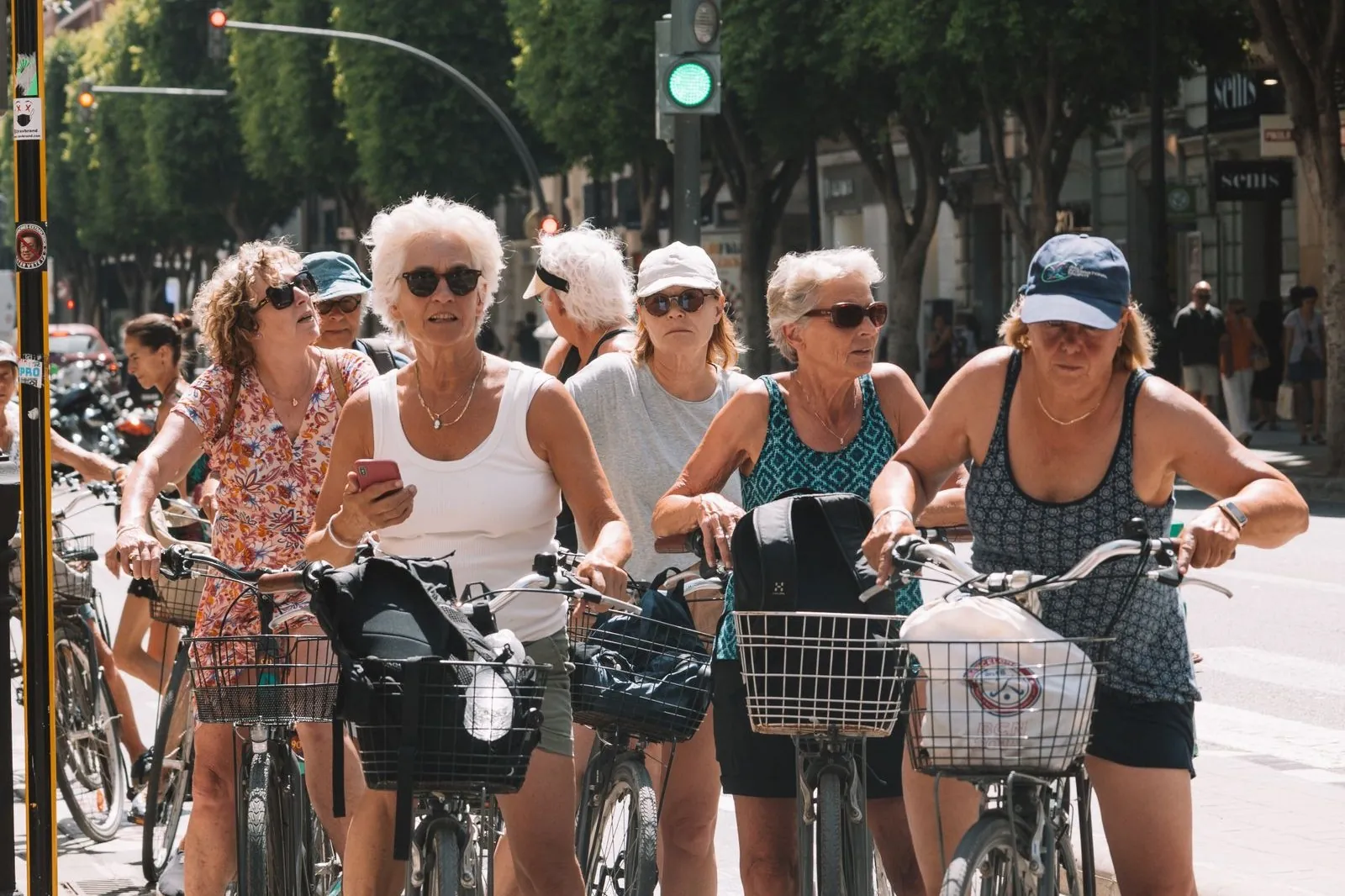
2. Prioritise collective transport and active mobility. Transport is one of the main sources of emissions in tourism. Whenever possible, travel by train or group coach to reduce the footprint per passenger. Once you arrive, discover the surroundings on foot or by bike: it produces no direct emissions during the journey, encourages physical activity and lets you live a much more authentic experience. Source: WWF and Turisme de Calafell.
3. Choose accommodation with an ecological certification. Opt for hotels, hostels or rural houses with official eco-labels (such as the EU Ecolabel) or that demonstrate energy-efficiency measures, use of renewable energy, rainwater collection and responsible waste management. Source: WWF.
🏘️ How do you respect the destination and its people?
4. Respect heritage and urban civility. Historic cities of great heritage value call for conscious behaviour. Follow the official civility recommendations: walk on the right in narrow streets, do not block bridges or access points, do not leave litter on the street, avoid eating or resting on the steps of protected monuments and respect residents' daily life. Source: Enjoy Respect Venezia campaign (City of Venice).
5. Support the local economy and local consumption. Eating local, zero-kilometre produce in local restaurants, buying authentic crafts instead of imported industrial souvenirs and hiring accredited local guides helps a larger share of your spending benefit the local community. Source: Turisme de Calafell and WWF.

6. Zero waste: eliminate single-use plastics. Always carry a reusable water bottle and cloth bags in your backpack, and avoid buying products with excessive plastic packaging. Whether you visit the beach or the mountains, take all the waste you generate with you until you find the right recycling point. Source: Turisme de Calafell.

7. Observe wildlife and plants responsibly. Enjoy nature without altering it. Do not leave the marked trails, do not touch or pick protected plant species and never feed or disturb wild animals (such as birds, dolphins or mountain wildlife). Reject any tourist activity that uses captive animals as an attraction and do not buy souvenirs made from protected wood, coral or animal parts. Source: WWF.
💡 How do you reduce your impact during the stay?
8. Save water and energy at your accommodation. Treat your hotel or hostel room as if it were your own home. Shorten your showers, turn off the tap while brushing your teeth, reuse towels for several days and switch off the air conditioning, heating and lights when you leave the room. Source: WWF.
9. Calculate and offset your carbon footprint. Even if you reduce your impact as much as possible, travel generates unavoidable emissions. You can estimate the CO₂ of your journey with tools from official bodies (such as the ICAO calculator for flights or the guides of the Catalan Office for Climate Change) and, if you wish, contribute to certified reforestation or environmental protection projects. Offsetting does not eliminate emissions: the first step is always to reduce them. Source: WWF.
10. Pass on the example to your "Valua Tribe". Whatever your tribe is (a school group, a sports team, an association or a group of friends), environmental commitment is contagious. Encourage discussion before leaving, share these good practices with your companions and turn the trip into a transformative educational experience. Source: Valua Travel.
📩 How do I plan a sustainable group trip?
If you want to plan your group's next adventure with sustainability criteria, you can explore our School Trip Comparator, with real prices from trips already carried out, or write to us directly to receive a tailor-made proposal. And if you are looking for more inspiration, do not miss our article on sustainable tourism and the Barcelona Destination.
Frequently asked questions
What does it mean to be an eco-responsible traveller? Travelling while minimising environmental impact and maximising benefit for the local community: collective transport, certified accommodation, local consumption and respect for heritage and nature.
How can I reduce the carbon footprint of my trips? Prioritise the train and the coach and get around on foot or by bike at the destination. You can estimate flight emissions with official tools such as the ICAO calculator and, if you wish, contribute to verified environmental projects.
Which ecological certification should I look for in accommodation? Official labels such as the EU Ecolabel and demonstrable measures: energy efficiency, renewable energy and responsible waste management.
How does Valua Travel organise sustainable group trips? We design school trips, language immersions and group routes with responsible tourism criteria. Write to us and we will prepare a tailor-made proposal.
More on travelling while caring for the planet: How to offset your carbon footprint and How to travel around Europe polluting less.