

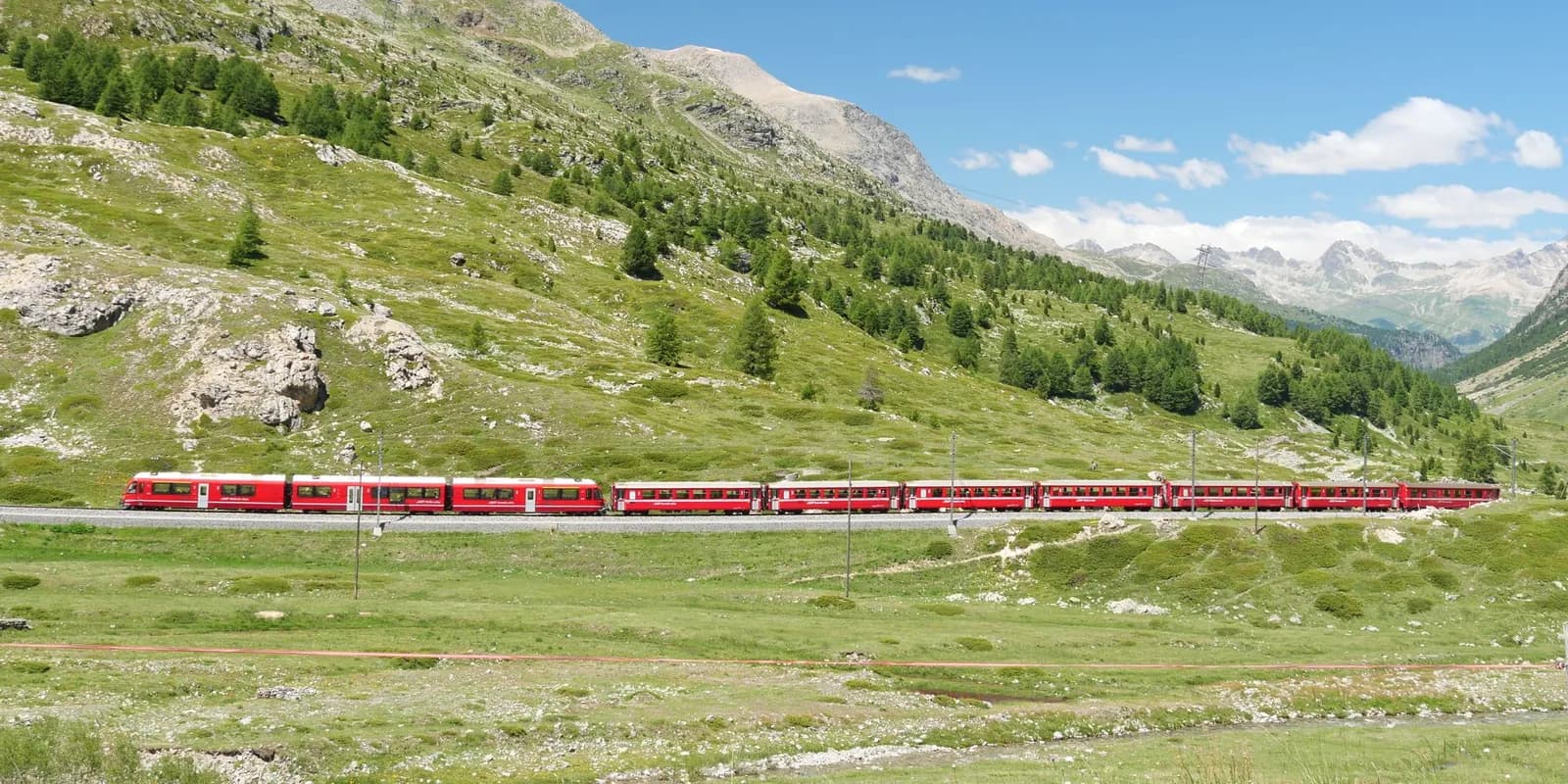
In a global climate emergency, sustainable mobility has become a priority not only locally but for administrations and societies around the world. At Valua Travel, an agency specialising in study and immersion trips based in Mataró, we design routes across Europe and the rest of the world with a clear goal: to promote active mobility, reduce dependence on highly polluting transport and cut the greenhouse gas emissions of our expeditions.
Quick answer: an effective way to reduce the environmental impact of trips around Europe is to combine the train for long distances, the coach for group logistics and active mobility, on foot or by bike, within each destination.
Which transport pollutes least for travelling around Europe?
🚆 Moving large groups of travellers by collective transport generates far fewer emissions than doing it in private vehicles or relying on short-haul flights. When planning our international itineraries, we prioritise the cleanest transport options.
Why is the train the great ally of sustainable travel?
The European rail network is one of the most efficient in the world and the railway is one of the collective modes that pollutes least. According to a comparative estimate by Google Travel using International Energy Agency factors, choosing the train instead of the plane or the car for similar distances can mean around 85-87% fewer emissions per traveller; the exact value depends on the route, occupancy and energy mix. That makes it the star option for crossing borders sustainably.
Is the coach a good option for school and sports groups?
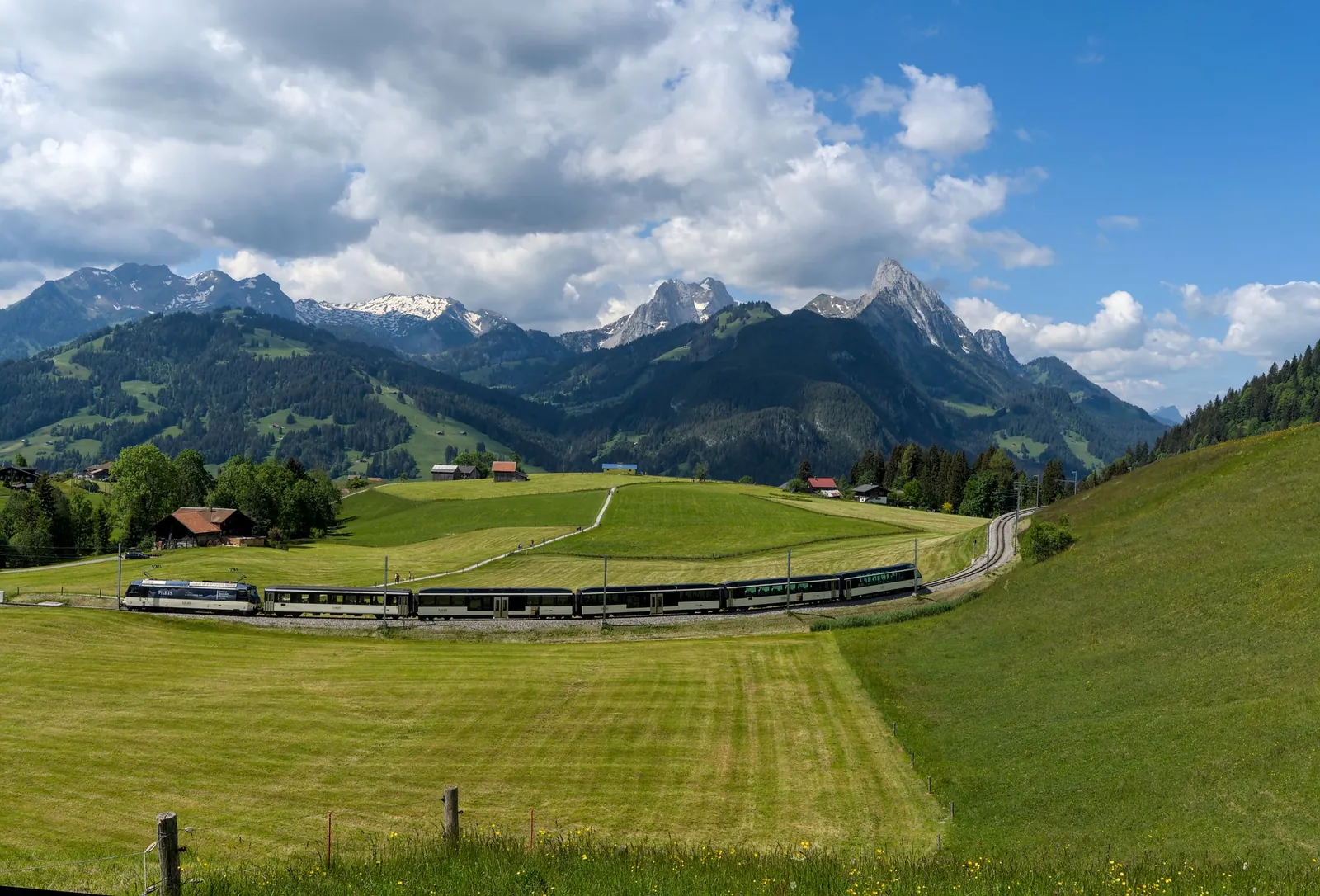
Coach travel is essential for school and sports logistics, and its efficiency is notable: according to ADEME/IRU data, a well-filled coach emits several times less CO₂ per traveller and kilometre than a car with a single occupant. It is also a flexible option that adapts to each group's needs.
How do you get around sustainably once you arrive?
🚶♀️ The true essence of responsible tourism lies in how we move once we reach the destination. The future of cities means expecting the vast majority of internal journeys to be made by sustainable modes such as walking or cycling.
- Encouraging walking: cities such as Paris have become the benchmark for the "15-minute city" model, where everyday services can be reached in a quarter of an hour on foot or by bike. Encouraging walking routes on our trips allows an authentic immersion and produces no direct emissions during the journey.
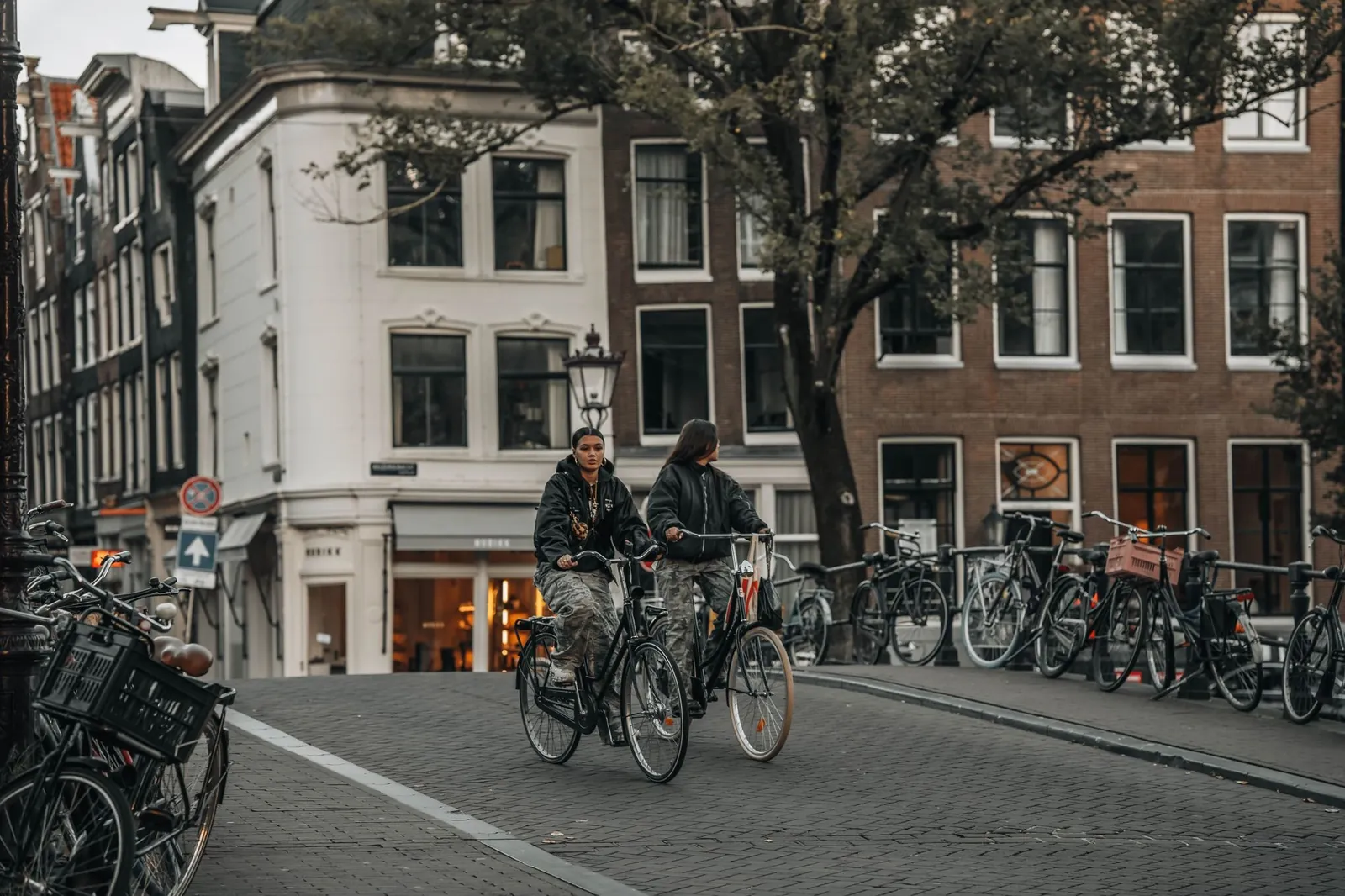
- The bicycle revolution: from Amsterdam and Copenhagen to many cities worldwide, the bicycle is the vehicle of the present. Promoting cycle-tourism routes on our trips encourages physical activity and integration with the surroundings with less dependence on motor vehicles.
What social benefits do collective and active transport bring?
🌱 Besides the positive environmental impact and the reduction in emissions, key to Europe's climate goals for 2030, betting on these modes of transport has great socio-cultural advantages.
- Cohesion and accessibility: public transport promotes social cohesion and can make it easier for the group to get around, always checking the accessibility of each service.
- Health and liveability: walking, cycling or using metros and trams reduces urban noise, improves the mental and physical health of both locals and visitors, and eases traffic, making cities more liveable.
How can you reduce the impact of the emissions you cannot avoid?
🔄 Every time we choose public transport or travel on foot, we take a step towards cleaner, healthier and more sustainable cities. Living together, whether in Barcelona or in any European capital, is the key to the mobility of the future. If you want to go a step further and offset the emissions of the transport you inevitably have to take to cross the world, read our guide on How to offset your carbon footprint with Valua Travel or find out more about local tourism in our article Sustainable Tourism: Barcelona Destination.
Frequently asked questions
How much CO₂ do you save by travelling by train instead of by plane? According to a comparative estimate by Google Travel using IEA factors, for similar distances you can reach around 85% fewer emissions per traveller; the exact value depends on the route, occupancy and energy.
Does a coach pollute less than a car? Yes: a well-filled coach emits several times less per traveller than a car with a single occupant, according to ADEME/IRU data.
What is a 15-minute city? A city designed so that everyday services can be reached in a quarter of an hour on foot or by bike; Paris is the best-known example.
Where can I calculate the carbon footprint of my trip? With the ICAO calculator for flights or the guide of the Catalan Office for Climate Change, and then it can be offset with recognised platforms.
Want to organise a study or group trip around Europe by collective transport?
If you are organising a study or group trip around Europe and want to assess collective transport options, get in touch: at Valua Travel we help you compare alternatives and design the route that best suits your group.