

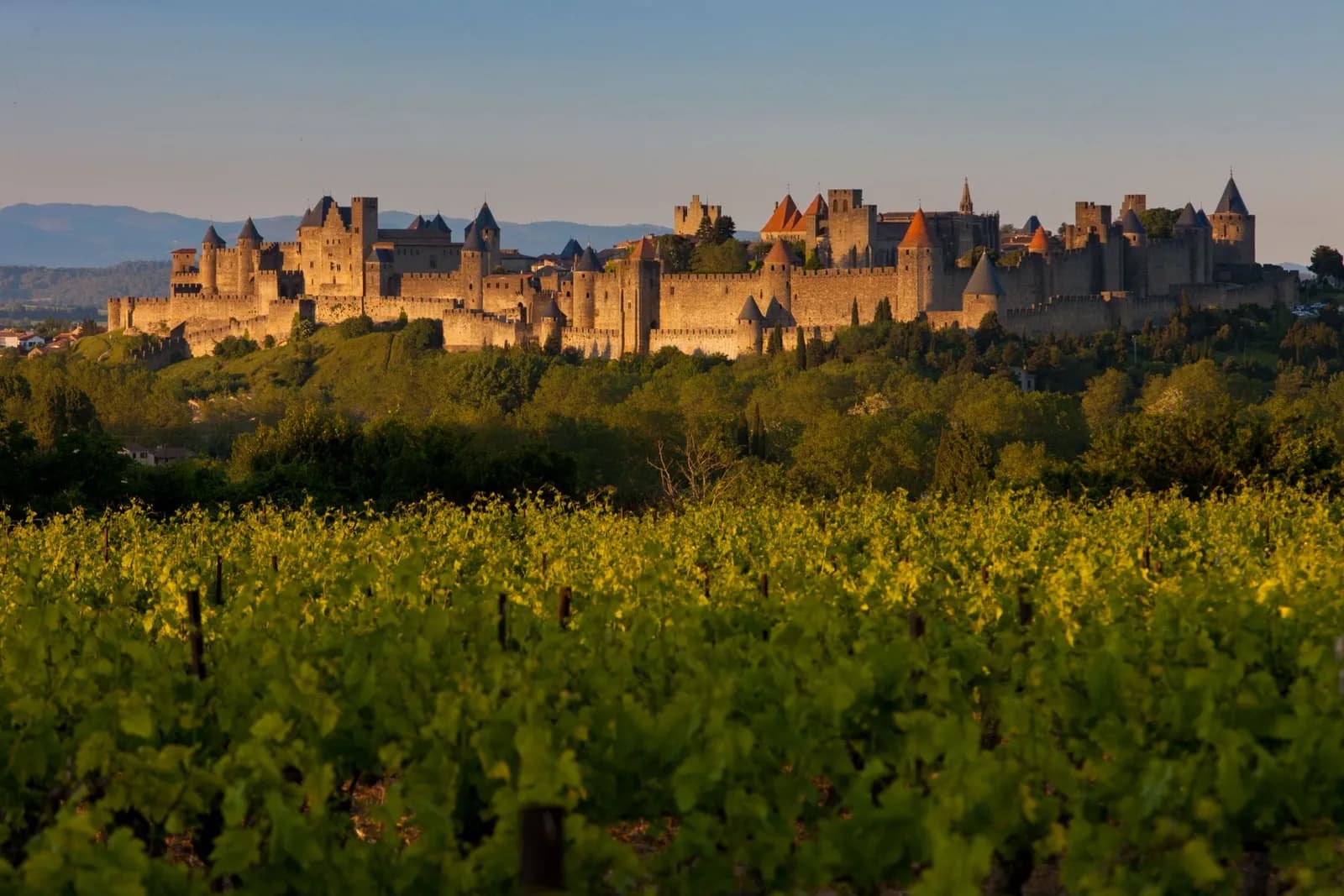
Quick answer: on 26 July 2026 UNESCO inscribed eight medieval fortresses in the south of France, known as the "Cathar castles", on the World Heritage List. They are about three hours by coach from Barcelona, can be visited in one or two days and tie in directly with the history, art and French syllabus for secondary school and sixth form. For a teacher looking for a nearby outing with real content, it is one of the most complete options in Occitania right now.
What are the Royal Fortresses of Languedoc (and why they are no longer called "Cathar castles")
For decades they were called "Cathar castles". The official name of the UNESCO bid, however, is Royal Fortresses of Languedoc. This is no whim: these fortresses became defensive positions of the Kingdom of France after the Albigensian Crusade (1209-1229), as Languedoc was gradually absorbed into the French Crown. In other words, the Cathars did not originally build them; some of these sites had earlier sheltered Cathars accused of heresy, which is where the popular nickname comes from.
The change of name has caused some local unease, but it does not affect the visit at all: the sites remain open under the same conditions. For your pupils, this tension between "popular name" and "historical name" is in fact a good starting point for discussing how historical memory is built.
Why UNESCO inscribed them in 2026
The World Heritage Committee, meeting in Busan (South Korea) for its 48th session, recognised the Outstanding Universal Value of a serial defensive system unique in Europe, built by the kings of France to control a border territory facing the Iberian kingdoms. The property covers more than 9,400 hectares across the Aude and Ariège, and the bid took thirteen years to succeed. At the same session UNESCO also inscribed the Normandy landing beaches.
The 8 fortresses, planned as stops on a route
Almost all of them stand on steep rocky outcrops, which makes them visually spectacular (and very photogenic for the group's memories):
- Carcassonne — the walled citadel, the gateway and the most accessible stop; double UNESCO listing.
- Montségur (Ariège) — the one most charged with Cathar symbolism.
- Peyrepertuse and Quéribus — the two "citadels of vertigo", the most impressive in height.
- Puilaurens, Aguilar, Termes and Lastours (the last one, four castles together) complete the set.
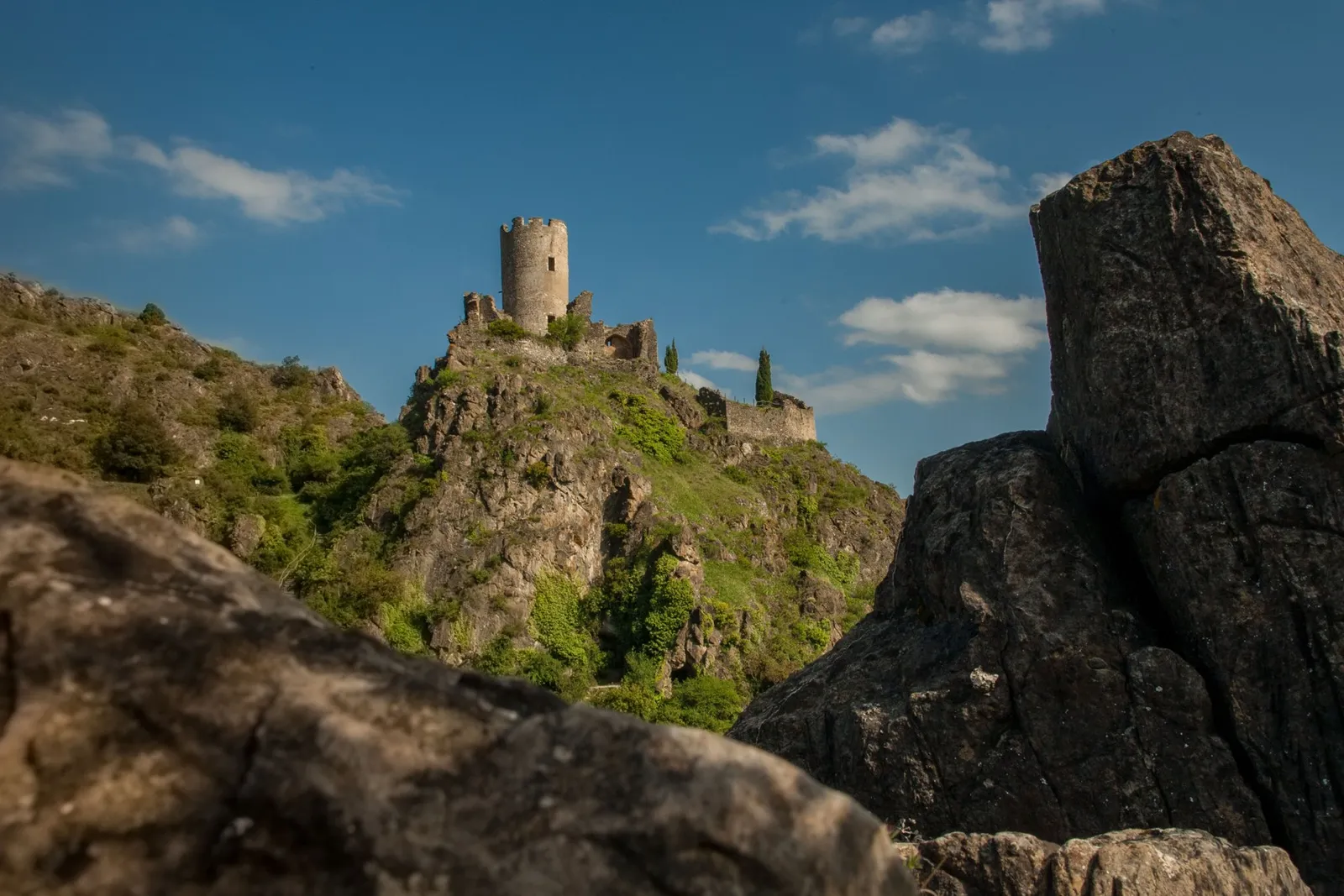
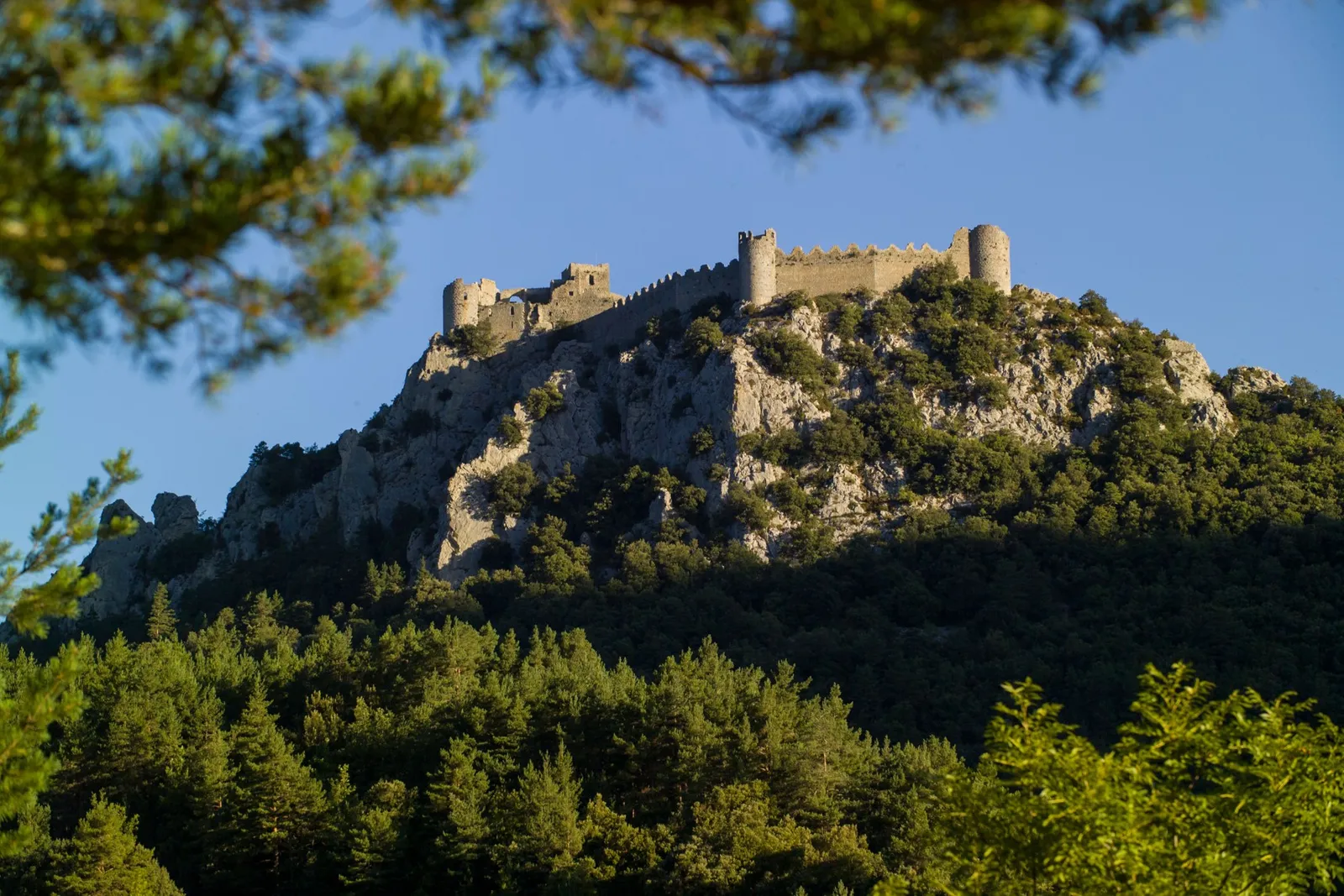
Planning note: apart from Carcassonne, reaching most of them means walking along uneven paths. Not all of them suit a large group in a short time; it is best to pick 2-3 according to the group's age and fitness.
What your pupils can work on there
History
The Albigensian Crusade, the formation of the French state, heresy and the medieval Inquisition, life in a fortress. Direct material for Years 8, 10 and 12.
Art and architecture
Medieval military architecture, long-distance visual signalling systems between towers, adapting construction to the terrain. Carcassonne also lets you discuss Viollet-le-Duc's 19th-century restoration.
Language and culture
French immersion in a real context and a first contact with Occitan and the cultural identity of Languedoc.
How to organise the trip: the practical side for teachers
- Distance: about 3 h by coach from Barcelona to Carcassonne. It fits a one-day outing (Carcassonne only) or a 2-3 day trip (fortress route).
- Tickets: according to the local tourist offices, entry to most fortresses costs under €10 per person. School group rates are confirmed at the time of booking.
- Terrain and footwear: uneven paths and slopes. Hiking boots are essential and families must be told in advance.
- Best time of year: spring and early autumn; in summer the heat in exposed areas is hard on a group.
Frequently asked questions
Why are they now called Royal Fortresses and not Cathar castles?
Because their historical role was defensive, in the service of the French Crown after the Albigensian Crusade. "Cathar castles" is the popular name; the official one is Royal Fortresses of Languedoc.
Since when have they been a World Heritage Site?
Since 26 July 2026. Carcassonne already was, for its fortified city, since 1997.
How far are they from Barcelona?
Carcassonne is about 3 hours by coach, which makes a one-day outing possible.
Are they suitable for a school group?
Carcassonne, yes, with no difficulty. The others require walking over uneven ground; choose the fortresses according to the age of the group.
Would you like to take your pupils to discover them? At Valua Travel we design tailor-made educational trips to the south of France. Tell us your year group and the number of pupils and we will prepare a proposal for you.
Cover photo: the fortified city of Carcassonne, gateway to the Royal Fortresses of Languedoc. All photos © AMPM (Association Mission Patrimoine Mondial).